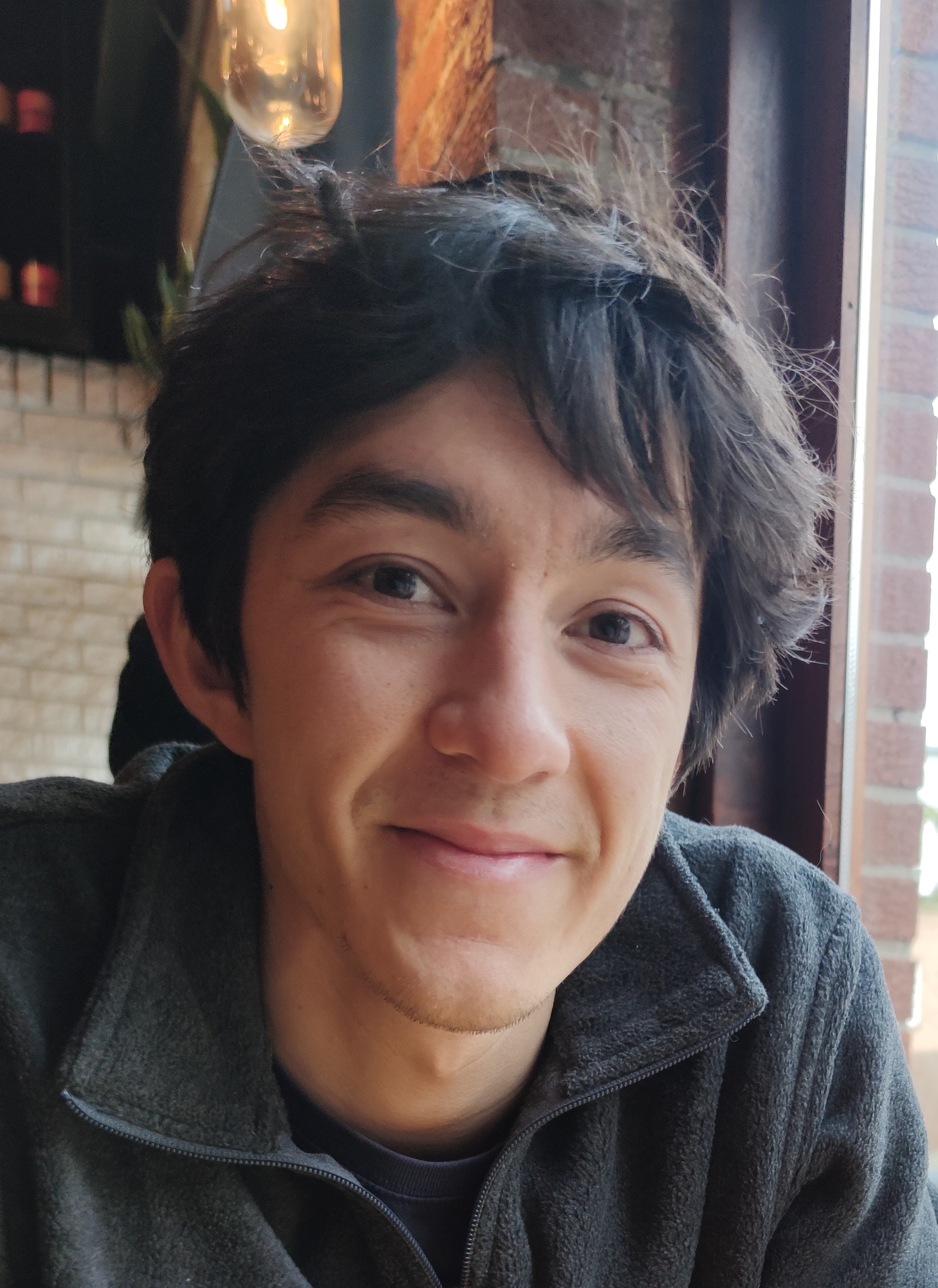
Gabriel Tseng
Hello! My name is Gabi. I am a Research Scientist at Ai2 on the OlmoEarth Team.
I completed a PhD at McGill / Mila under the supervision of Professor David Rolnick, investigating ways in which machine learning can help mitigate and adapt to climate change. This included working with Professor Hannah Kerner at NASA Harvest.
Land use is one of the most important environmental issues, and agriculture is the main driver of land use. My research seeks to better understand the Earth’s landcover using remote sensing data, with a focus on improving the machine learning algorithms used to make large scale agricultural landcover maps.
In addition to machine learning for remote sensing and agriculture, I have been lucky to contribute to:
- Technology for good, such as for sustainable and regenerative farming, or to increase energy access
- Interpretable machine learning using open source tools
I also love spending time outdoors, either by climbing or running in beautiful places.


In addition to the technical blog here, I also have a non technical blog, at oolongaloha.com
You can check out my CV here.
News
We release v1.3, an embedding model. We also release precomputed global embeddings (released on Source Cooperative) and a powerful UI to explore them. See our tech report and interactive blogpost to learn more.
Fast follow! We released OlmoEarth v1.2 - this fixes artefacts in our output. See our tech report for more information.
We released OlmoEarth v1.1. See our blog and tech report for more information.
OlmoEarth was accepted to CVPR! See you in Denver.
I’ll be discussing “Training and deploying pre-trained models for remote sensing data” at the ESA Φ-talk. Register here.
I defended my PhD!
We released OlmoEarth. See our webpage, tech report, platform blog and model blog for more information.
I’ll be in Rome speaking at the FAO’s Science and Innovation Forum (link).
I’m joining Ai2’s Earth System team as a Research Scientist!
I’m at ICML in Vancouver presenting Galileo. We’ll also be presenting 2 papers at the Terrabytes Workshop: our LFMC estimates using Galileo and WorldCereal’s integration of Presto.